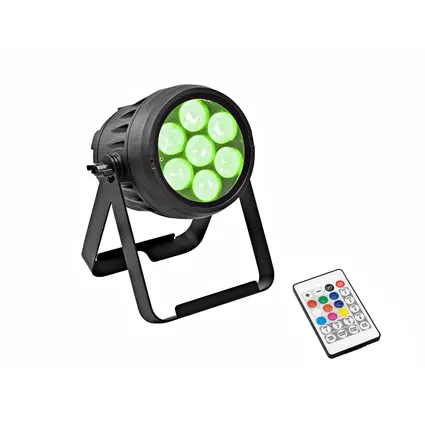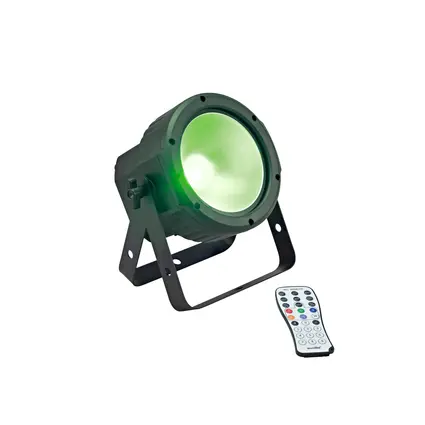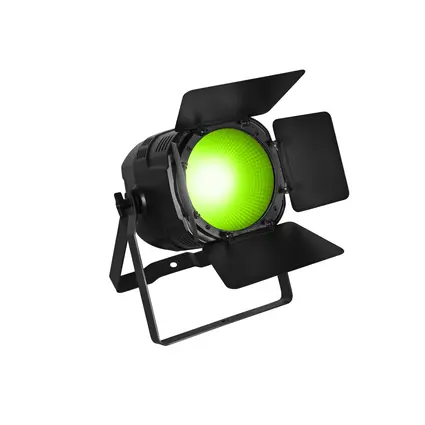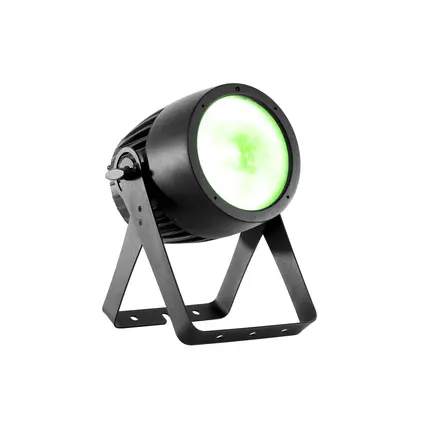

Lime is more than just a striking color in modern LED spotlights.
It covers a very wide spectrum and also shows that it is a technically important addition for people who demand the highest standards in color rendering and natural appearance.
Here is some information about the color itself and the various ways and places it can be used.
Contents
1. What is Lime, anyway?
Lime LEDs fill a typical gap in the spectrum between red and green and therefore ensure significantly more natural and realistic color rendering, especially when illuminating skin tones and white light.
Lime light is not produced directly by an LED, but is generated by a phosphor. This light is broad-spectrum and contains evenly distributed light components from the red to the green spectral range. This is crucial for natural color rendering.
If these light components are missing, illuminated skin very quickly appears grayish or even greenish and therefore rather unnatural.
2. Benefits for white light, skin tones, and pastel colors
This LED component can be used to create softer, less saturated color gradients and more precise white adjustments, which are particularly relevant in theater, TV, film, and stage lighting, because Lime helps compensate for unwanted color casts. The color also provides more natural and cleaner pastel tones, since mixed colors without Lime often appear too “harsh” or “artificial.” Skin tones also often look more natural and balanced as a result.
Lime LEDs are also often used when greater brightness in white light or a more pleasant color mix is desired than with a spotlight using RGB/WW LEDs.
3. The comparison with amber and white
Amber, an orange tone, also lies between red and green, but covers this range much more narrowly. Amber is produced either directly as a monochromatic LED or likewise via a phosphor.
If you take a closer look at the comparison, you will notice that the spectrum remains narrower than with Lime. This makes Amber excellent for orange and yellow tones, but it also shows limitations when generating white light, which can also be perceived by the human eye.
White LEDs provide white light directly and are useful in many systems. Lime channels also offer additional possibilities in color mixing and can help generate white light in a more flexible and nuanced way. Overall, Lime does not completely replace other LED colors, but rather complements them in a meaningful way.
4. Why it is now used so often
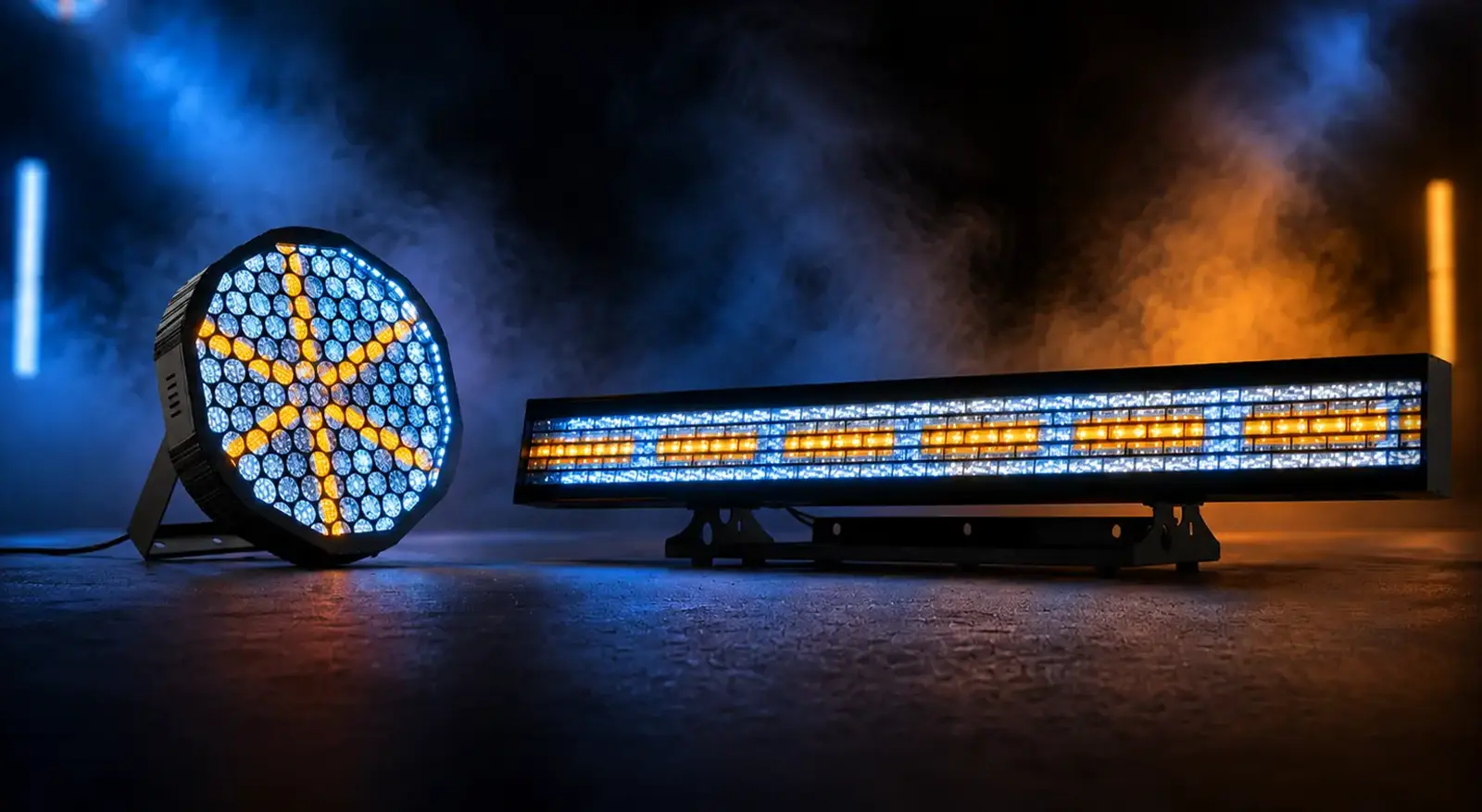
These days, systems are often seen in which it is combined either with cyan or amber. Amber ensures optimized rendering of yellow and orange tones in this combination. In the range between blue and green, cyan forms the spectral counterpart to Lime. Cyan is also generated via a phosphor and rounds out the spectrum in the range between blue and green.
Generally speaking, Lime is now being installed increasingly often in modern spotlights. The reasons for this are that, on the one hand, it makes the color space more usable and, on the other hand, it provides better white-light mixing, illumination of skin tones, finer pastel colors, as well as strong brightness and flexible application possibilities in professional uses.
5. Typical applications/areas of use
Lime therefore offers some very specific applications in the LED sector because it closes the spectral gap between red and green that the human eye perceives. This results in various areas of application.
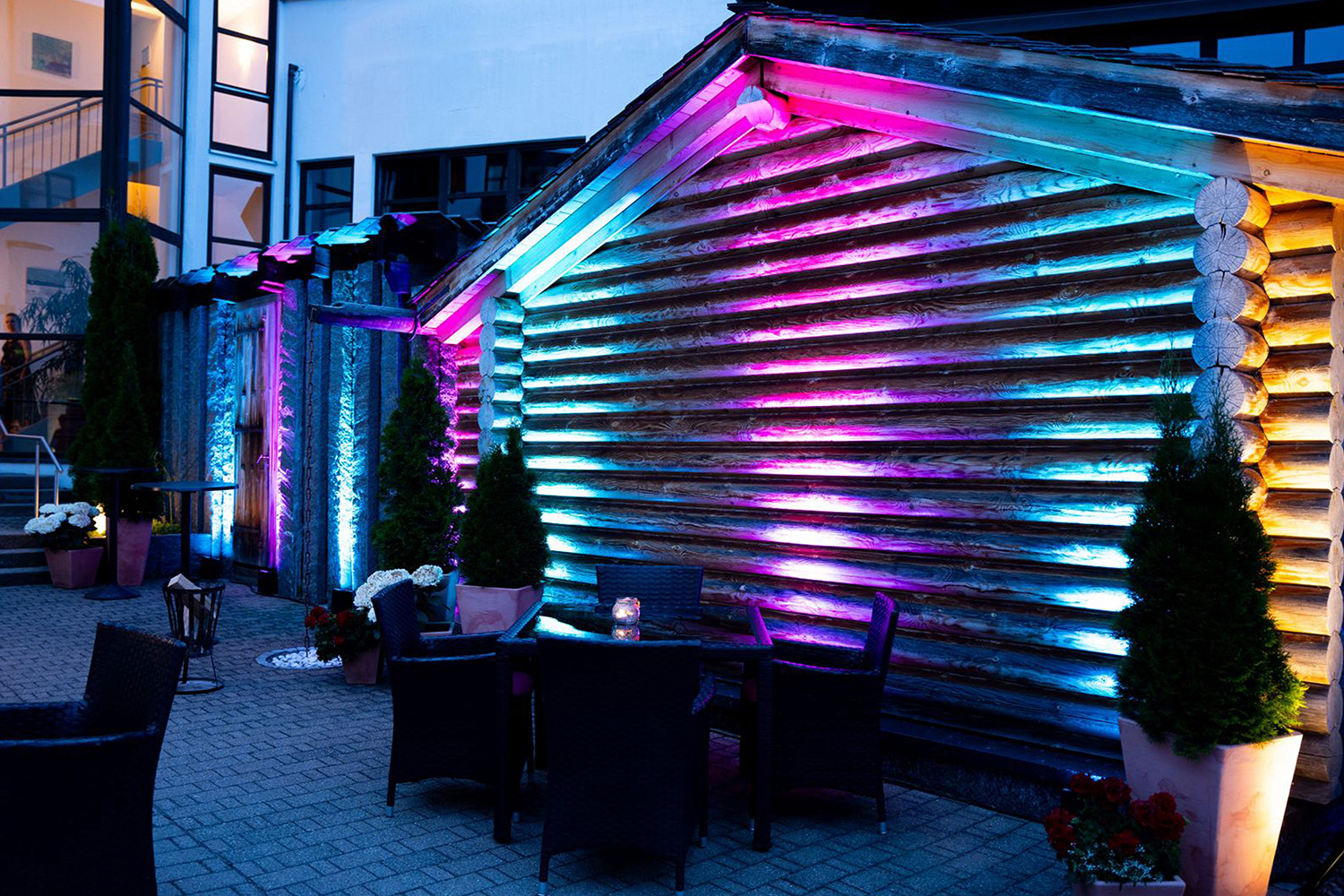
One thing that naturally comes to mind when thinking of spotlights and that should not be missing is event and stage lighting, where Lime LEDs provide greater flexibility in creative design, as well as in architectural lighting and effect lighting. However, the Lime LED really comes into its own in decoration and advertising, as front light in theater, and in TV and camera applications, where high-quality white light and versatility are particularly important.
Conclusion
In summary, Lime is not just a simple show effect, but an important functional addition that contributes significantly to improving efficiency, color rendering, and white-light quality, while making light appear more natural overall.
Anyone working with modern LED spotlights should therefore not see Lime merely as a trend color, but as a technically meaningful enhancement.
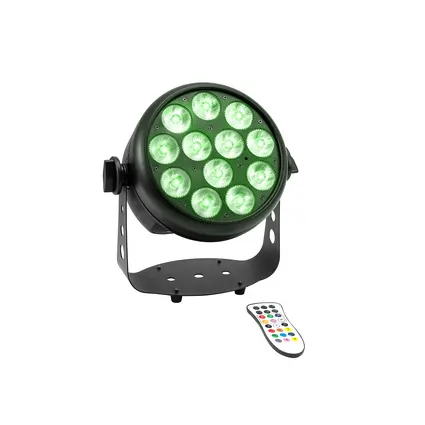
In our online shop, we offer a large selection of different spotlights in which this color is integrated for different areas of application.