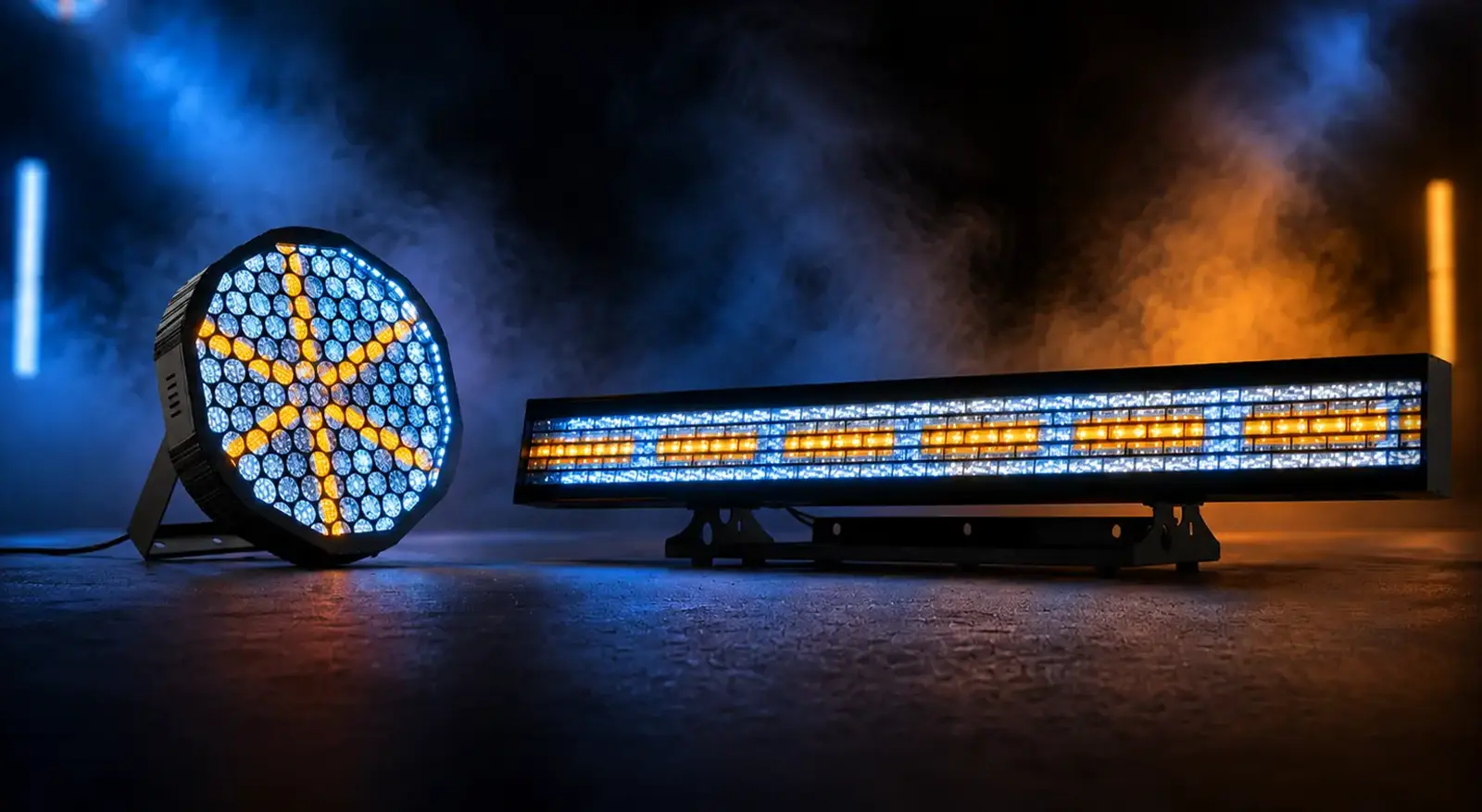
Very warm light, visible illuminated surfaces and coloured accents shape many current lighting designs on stages, in clubs and at events. Retro lighting is not a purely nostalgic effect, but a deliberately used design element: it creates atmosphere, gives scenes character and can make technical LED setups feel more emotional. The approach becomes especially exciting when warm white light is combined with controllable RGB accents.
Content
- 1. What role does retro lighting play in lighting design today?
- 2. What does retro lighting mean in an event context?
- 3. Why very warm amber light appears softer
- 4. Visible light sources as a design element
- 5. Coloured accents instead of pure warm light
- 6. Practical examples
- 7. Products with retro flair from EUROLITE
- 8. Conclusion
- FAQ
1. What role does retro lighting play in lighting design today?
Today, lighting design often has to fulfil several tasks at the same time. It should make a stage visible, support music or dramaturgy, structure spaces and create images that remain memorable. This is not only about brightness, colours and movement. The emotional effect of a light source is also crucial.
This is exactly where retro lighting comes into play. Very warm light colours, illuminated surfaces and visible structures have a different effect than neutral white or purely coloured effects. They are reminiscent of classic blinders, analogue stage moments and light sources that are not only functional, but also part of the stage design themselves. In modern setups, this creates an interesting contrast: LED technology enables precise control, while the look deliberately remains warm, direct and full of character.
2. What does retro lighting mean in an event context?
In professional lighting design, retro lighting describes less a fixed technical category than a creative direction. It refers to lighting looks that are reminiscent of classic effect lights, blinders or decorative stage sources. Typical features include warm colour tones, visible lamps or illuminated surfaces, and an appearance that can be part of the design even when switched off or dimmed.
For stages, clubs and events, this approach is interesting because light not only creates surroundings, but also becomes a visual object itself. A spotlight with a striking front, radial arrangement or linear structure can be perceived as part of the stage design. This is especially true when the light source does not disappear behind trusses, but is visibly integrated into a design.
3. Why very warm amber light appears softer
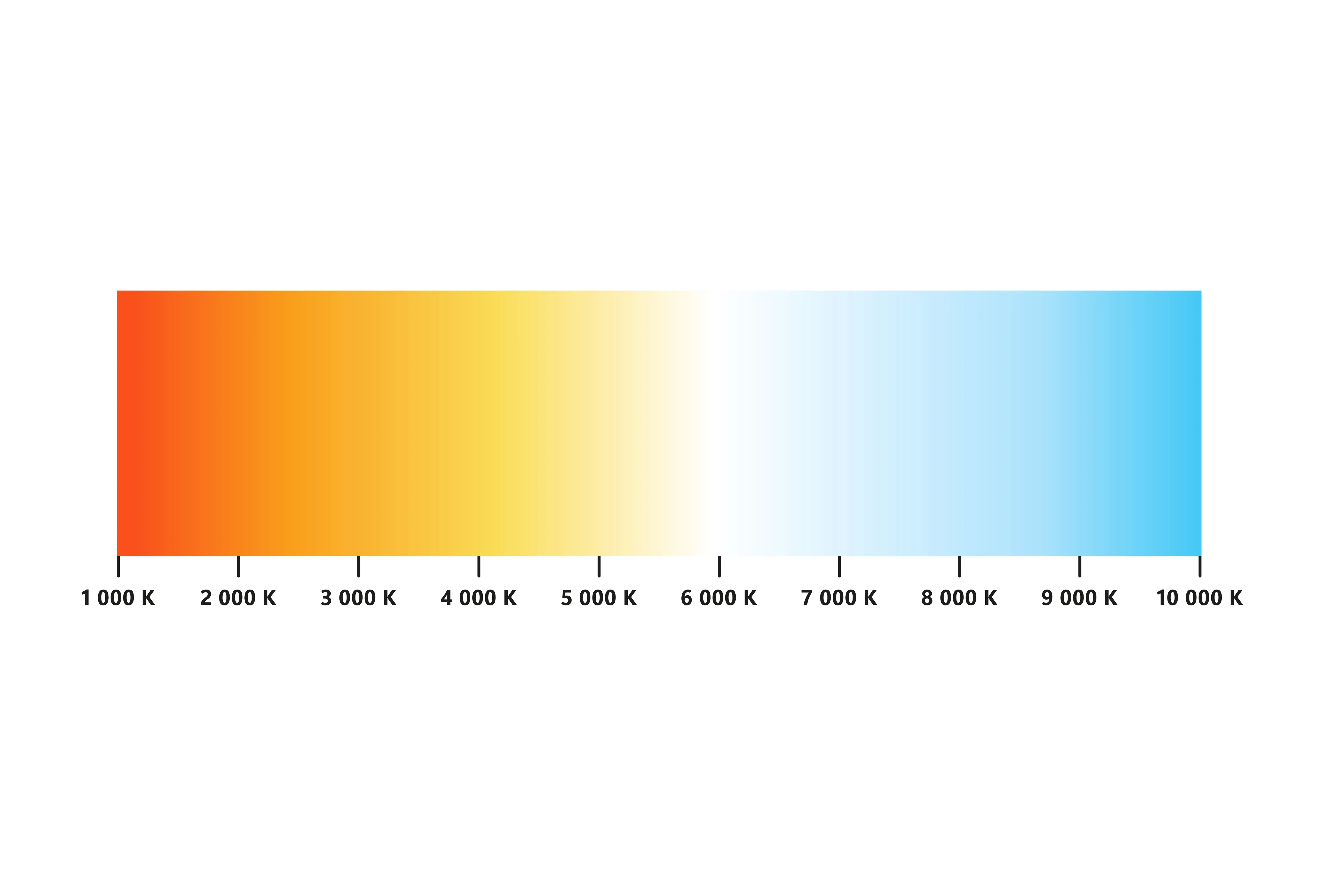
Warm white light can appear neutral, soft or atmospheric. Very warm, amber-coloured light goes one step further: it feels significantly more emotional and is more strongly reminiscent of classic incandescent lamp or blinder aesthetics.
In practice, such light can help make scenes appear less technical. It is suitable for concert moments in which a chorus opens up, for calm event looks, warm stage backgrounds or charming accents in restaurants, bars and hotels. What matters is not only the colour itself, but also its interaction with brightness, positioning and movement.
4. Visible light sources as a design element
Many modern lighting designs no longer work exclusively with spotlights hidden in the truss or behind the edge of the stage. Instead, spotlights, bars or effect surfaces are deliberately used in a way that makes them visible to the audience. This creates a second level: the light source not only produces a lighting look, but is itself part of the stage design.
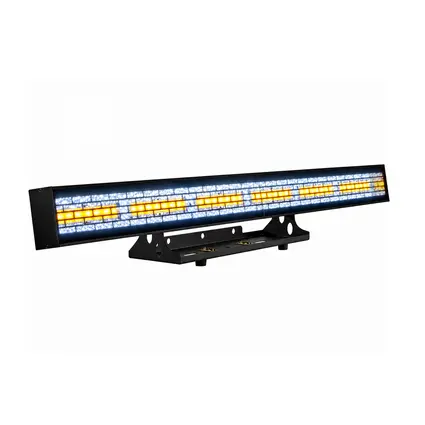
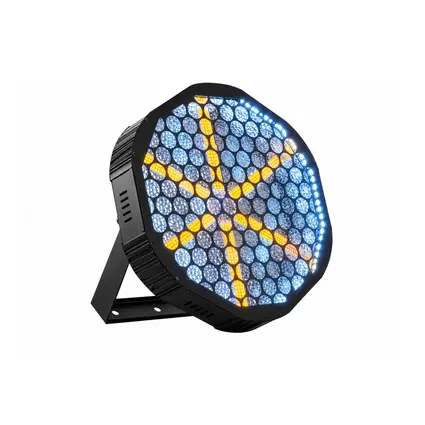
Retro-oriented fixtures in particular are very well suited to this approach: a round arrangement can have a decorative effect, while a linear bar can emphasise stage edges, backgrounds or rows. When individual segments can be controlled, additional possibilities emerge: chases, rhythmic accents and changing patterns can connect the shape of the fixture with the music or dramaturgy.
5. Coloured accents instead of pure warm light
Modern LED fixtures that pick up on the retro trend have a key advantage over their classic predecessors: the light can, but does not have to, be limited to warm white. It becomes especially versatile when a warm basic mood is combined with coloured ambient effects. RGB segments can fill reflector surfaces or gaps with colour without completely abandoning the warm basic character of the lighting mood.
This opens up several creative levels. For example, a setup can initially work with warm white base light and later add coloured accents. It can create calm backgrounds, but also support bold, pop-style effects. For clubs, stages, galas or mobile applications, this mixture is useful because it enables different moods with the same group of fixtures.
6. Practical examples
The retro trend in lighting design is not limited to a single application. On concert stages, warm retro lighting can define the character of the show. It brings warmth to the visual image and can emphasise musical highlights in a harmonious way.
At galas and corporate events, very warm light can help make technical stage or room installations appear softer. Instead of pure effect lighting, a lighting look is created that combines atmosphere and visibility.
For restaurants, bars and hotels, the visual character is especially interesting. Visible light sources with a retro look can function as a design element when they are used in the right dosage and professionally integrated.
7. Products with retro flair from EUROLITE
One example of this product category is the EUROLITE LED RETRO ABL series. It combines six individually controllable 60 W COB LEDs in warm white with additional RGB segments. The LED RETRO 6 Spot ABL uses a hexagonal, radial arrangement, while the LED RETRO 6 Bar ABL transfers the same approach into a 100 cm wide linear design. Both fixtures are intended for show effects and offer DMX, stand-alone operation and music control, among other features.
8. Conclusion
Retro lighting has its place in modern lighting design because it brings nostalgia to the stage. Very warm light, visible illuminated surfaces and coloured accents create an aesthetic that can be used in many different ways in stage, club and event contexts. Products such as the LED RETRO ABL series show how this approach can be implemented in different designs: for example as a hexagonal spot for decorative accents or as a linear bar for wide, rhythmic lighting looks and stage edges.
FAQ
Retro lighting is suitable when a scene should be given warmth, visible character or a deliberately classic blinder look. Typical contexts include stages, clubs, events, theatres, galas or atmospheric room staging.
No. It can have a decorative effect, but at the same time it fulfils functional tasks in lighting design. It can set accents, structure stage designs or support musical transitions.
Individually controllable segments turn a static light surface into a dynamic design element. This makes it possible to create chases, rhythmic patterns and differentiated accents.
RGB accents expand warm retro lighting with coloured moods. They can complement the basic look without completely replacing its warm character.